What changes when one campaign film has to speak to every doctor
A reflection on turning one approved Invisalign performance into personalised campaign videos for doctors.
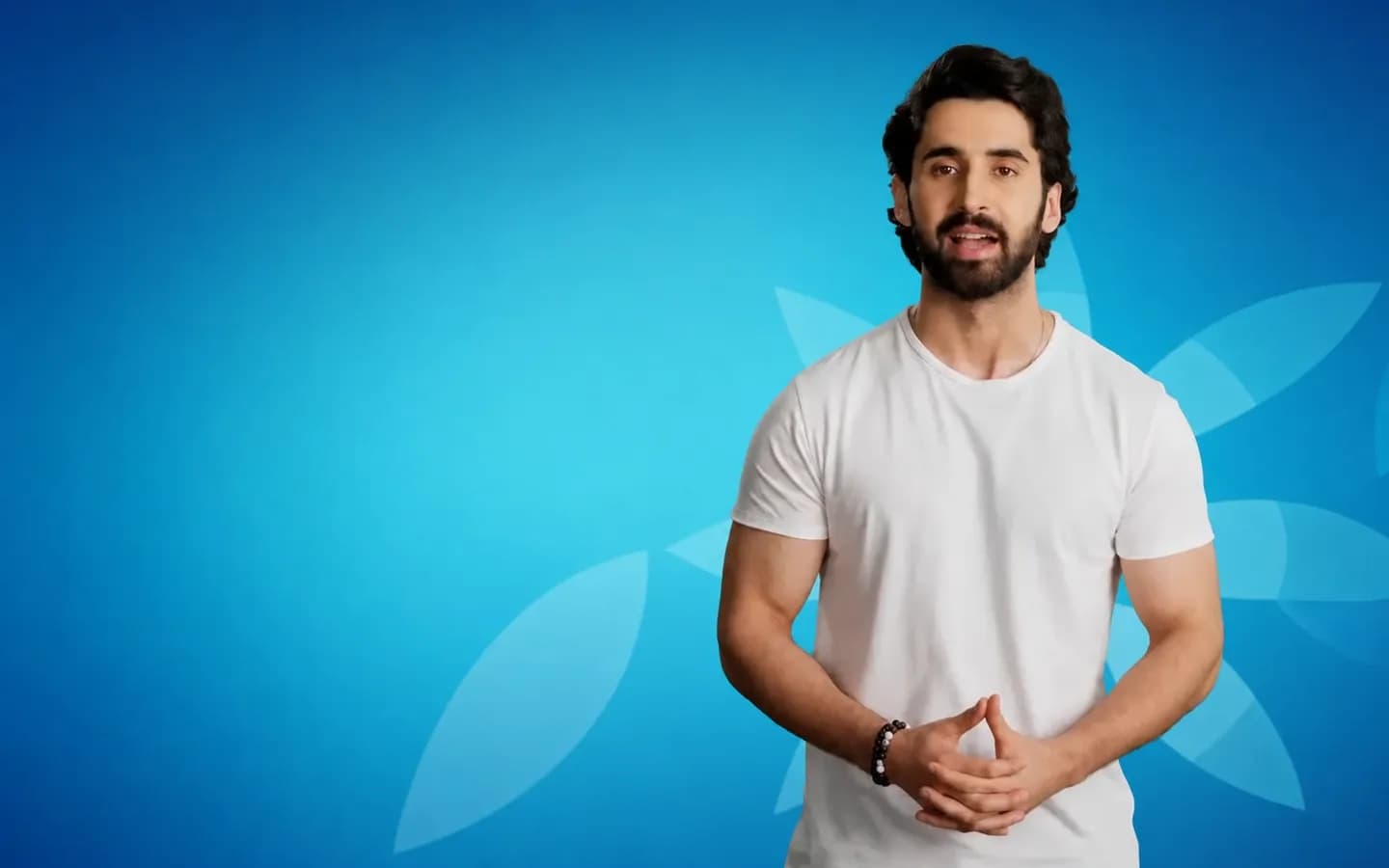
Personal video is easy once and difficult at scale
A direct message from a familiar face feels different from a campaign film made for everyone. Put a doctor’s name into that message and the difference becomes stronger still. The idea is simple. The production arithmetic is not. Record a separate take for every recipient and a warm creative idea quickly becomes a calendar full of repeated performances, reviews, edits and exports.
That was the tension inside the Invisalign campaign. Lakshya Lalwani could give the message a recognisable human centre, but the value came from making each doctor feel that the film was meant for them. The campaign needed personalisation without turning the actor and production team into a manual rendering pipeline.
We treated the approved performance as source material
The useful way to apply AI here was not to ask it to invent a new film every time. It was to protect the parts that had already been approved and automate only the part that changed. Lakshya’s performance, the campaign direction and the Invisalign visual language stayed fixed. Each doctor’s name and message details became structured inputs to a controlled generation workflow.
That distinction matters. A campaign team still needs one version it can approve with confidence. Once that version becomes a source of truth, generation can produce the recipient-level variations and rendering can happen without rebuilding the edit by hand. The team reviews finished outputs rather than supervising every repeated production step.
The real saving was operational
AI made the visible personalisation possible, but the more important result sat behind the screen. Hours that would have gone into repeated recording, editing and export became a reusable workflow. That gave the campaign team room to spend its time on audience selection, approvals and rollout, the decisions that actually improve the campaign rather than the mechanics required to produce another file.
Where personalised video is worth using
This approach earns its keep when the variable is meaningful to the recipient and the approved creative needs to remain stable. A doctor’s name in a professional outreach campaign clears that bar. Changing a background colour for hundreds of audience segments usually does not. The production system should scale the human relevance of the idea, not manufacture variation simply because it can.